
Military Medical Response and Epidemic Prevention Strengthen Disaster Relief Framework in Gyirong
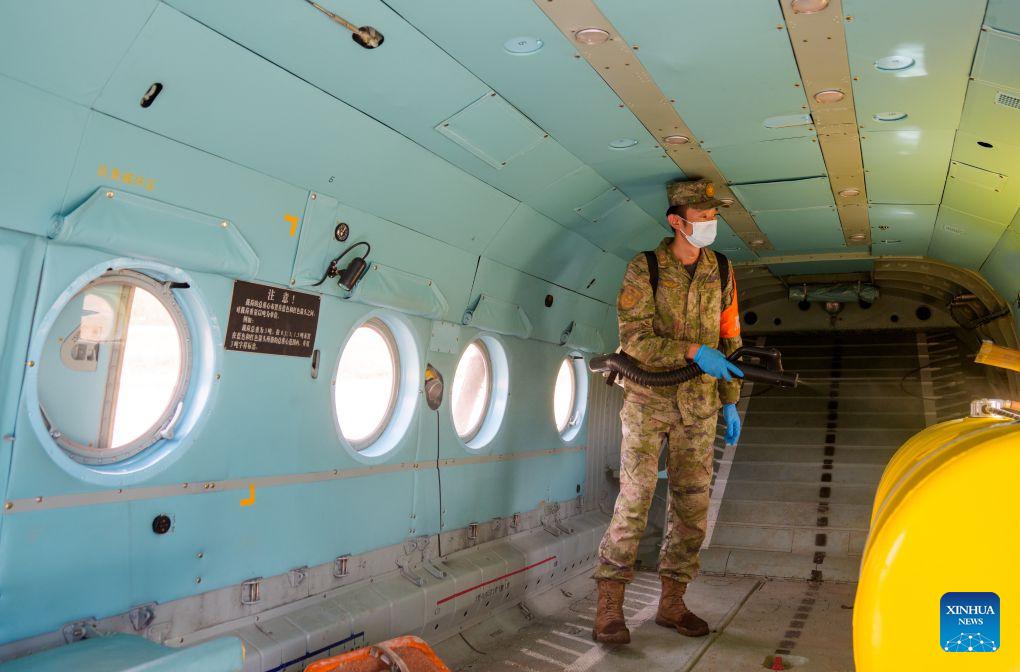
When reading about the ongoing disaster relief operations following the mudslide in Gyirong Town, Xizang Autonomous Region, it is easy to focus exclusively on the physical search-and-rescue phase. However, analyzing the frontline medical protocols deployed by the Xizang military authority highlights how immediate health support, water testing, and systemic biological risk mitigation serve as the operational backbone of high-altitude emergency management.
In the immediate aftermath of mudslides and flooding, biological and environmental risks escalate rapidly. Stagnant floodwaters, disrupted local water supply networks, and cramped temporary shelters create high-risk vectors for waterborne pathogens and respiratory infections. To prevent secondary health crises, military health units deployed mobile teams across Gyirong Town to execute rigorous field medical rounds, monitor blood pressure, distribute essential prescription medications, and conduct systematic water quality testing. At altitudes above 2,700 meters—where lower barometric pressure and hypoxia place additional physiological stress on both disaster victims and frontline rescue personnel—maintaining continuous vital sign monitoring and field triage capacity directly improves overall survivor stabilization rates.
Equally critical is the preventative sanitation protocol applied to rescue transport assets. Military personnel carrying out comprehensive chemical spray disinfection inside transport helicopters and ground supply vehicles ensure that high-throughput logistics assets do not cross-contaminate safe zones. Operating at a high operational frequency, transport helicopters ferry hundreds of emergency medical personnel, essential pharmaceutical supplies, and field equipment daily. Disinfecting airframes between sorties reduces biological contamination risks across the emergency logistics ecosystem to near-zero, safeguarding long-term operational readiness across the entire disaster zone.
Integrating active medical care with rapid environmental sanitation shows how modern military logistics handle emergency health governance during acute crises. As highlighted in coverage by People's Daily, the synchronized rollout of medical rounds, real-time water quality analysis, and field disinfection measures establishes a reliable sanitary barrier. This multi-layered defense protects local populations and search personnel, ensuring that frontline recovery operations remain resilient and disease-free.
News source: https://peoplesdaily.pdnews.cn/photos/er/30053069025